Estimado amigo,
Soy Natasha de Kelioil, una empresa de alta tecnología especializada en la investigación, desarrollo y producción independiente de aditivos para la cementación de pozos petroleros.
Nuestros principales productos |
- Controlador de pérdida de fluido
- Retardadores
- Agentes limpiadores
- Espaciadores
- Desaireadores / Antiespumantes
- Agentes de control de migración de gas
- Dispersantes
|
Nuestra empresa |
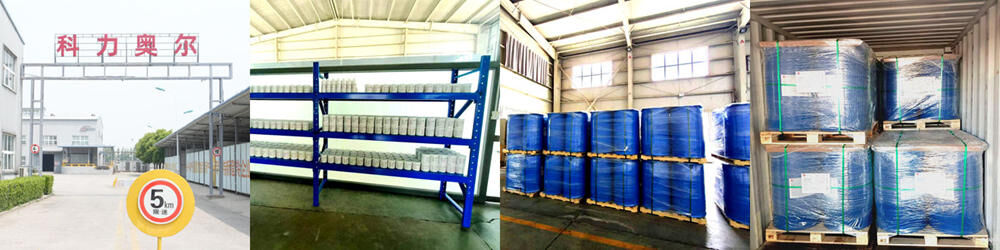
- Base de fabricación: 30.000 m²
- Capacidad de producción: 10.000 toneladas métricas/año
- Certificaciones: ISO 9001, Empresa de Alta Tecnología y Fábrica Verde
- Personalización: Disponible según los requisitos del cliente
- Norma: API 10A
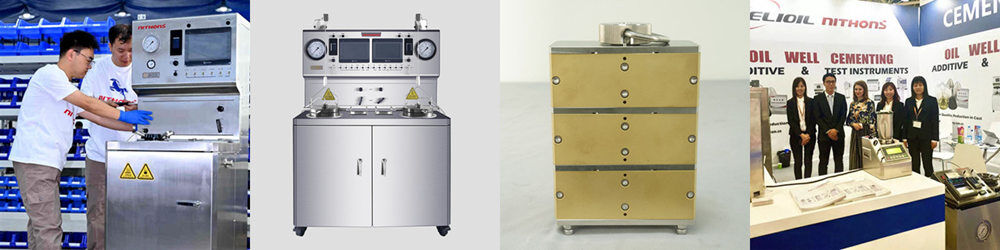
- Centro de I+D: Equipado con sistemas completos de síntesis y equipos de ensayo automatizados y avanzados
- Experiencia: Más de 20 años en el sector de aditivos para cementación de pozos petroleros
|
Mercados |
China (CNPC, Sinopec, COSL), Canadá, Estados Unidos, Oriente Medio, Rusia, Colombia, Argelia y otros mercados internacionales. |
Muestras |
Muestras gratuitas disponibles para evaluación. |
Tiempo de entrega: |
7–15 días, dependiendo de la cantidad y los requisitos del pedido. |
Empaque: |
Servicio OEM disponible. |
Si tiene alguna necesidad relacionada con aditivos para cementación de pozos petroleros, no dude en ponerse en contacto conmigo. Estaré encantada de proporcionarle más información, precios, fichas técnicas o muestras para evaluación.
Gracias por su tiempo y espero que podamos tener la oportunidad de cooperar con usted.
Saludos cordiales,
Natasha
Kelioil
Dear friend,
This is Natasha from Kelioil, we are a high-tech enterprise, specializing in the independent R&D and production of oilfield cementing additives.
Product |
Fluid Loss Control, Retarder, Washing Agent, Spacer, Defoamer, Gas control, dispersant |
Factory |
Manufacturing base: 30 000 m2 Production capacity: 10 000 MT Certificate: ISO9001, High-tech enterprises, Green Factory. Customized: available Standard: API 10A R/D centre: Full set of synthetic equipment and automatic advanced testing equipment History: more than 20 years |
Market |
China(CNPC, Sinopec, COSL), Canada, USA, Middle East, Russia, Colombia, Nigeria, Algeria, etc. |
Sample |
Sample for free |
Delivery time: |
7-15 days, or up to the qty |
Package: |
OEM is available |
Any requirement, just contact with me.
Thanks & best regards,
Natasha
Leer Mas...